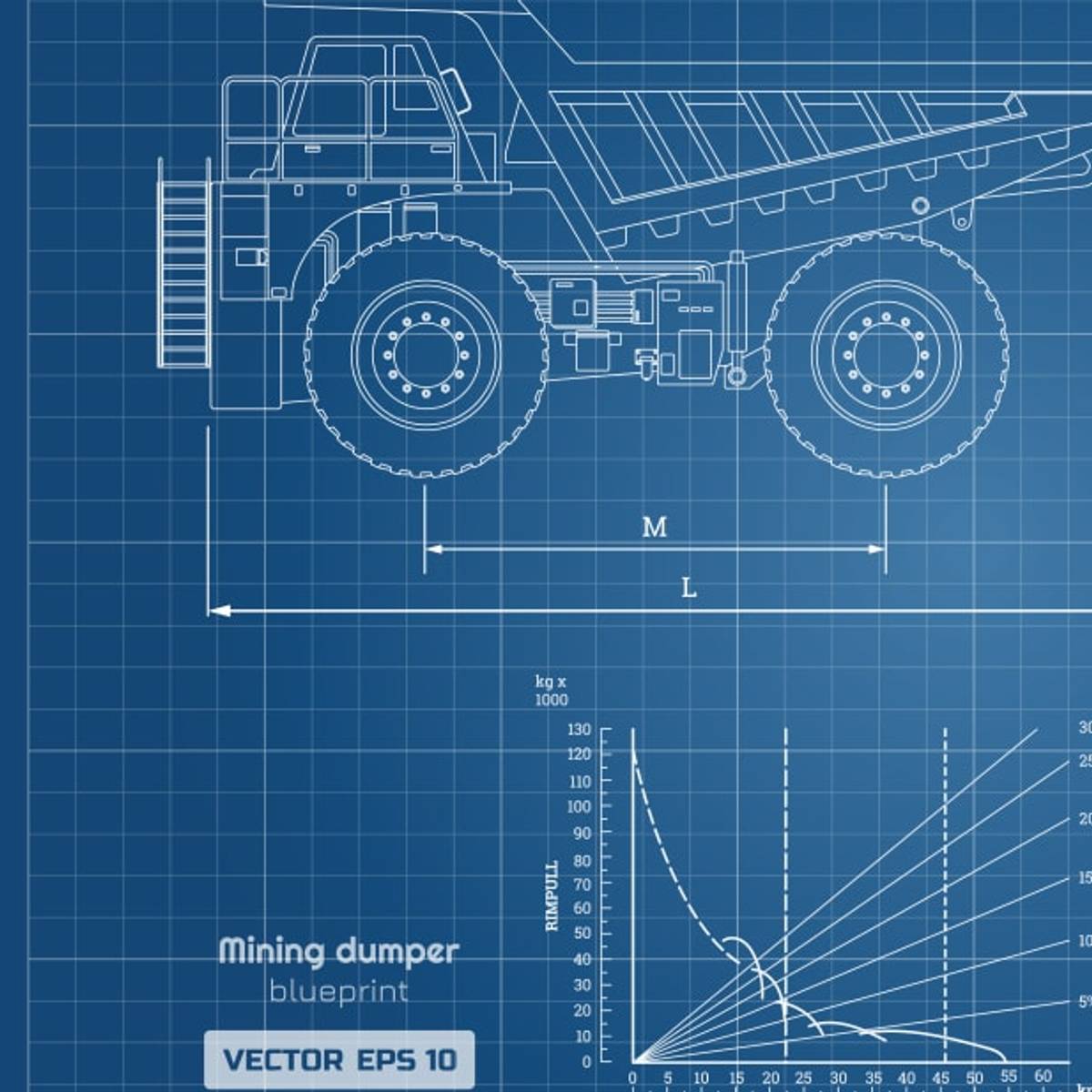
What exactly is the Free Stack Blueprint 2026?
It is a construction-drawing-style field manual for fourteen free browser tools built by indie developer Naman Soni. Each product is documented as a numbered sheet with a function line, parts list, verified specifications and honest field notes, so you can assemble a complete personal software stack — design, audio, AI, deployment, daily utilities — at a base cost of zero rupees. Every fact was verified against the products' own sitemaps, llms.txt files and live pages on 27 October 2026.
Are these tools actually free, or "free trials"?
Genuinely free to start, with the exact mechanics printed on each sheet: LND AI refreshes daily credits automatically at midnight IST, no account required, and its 20+ utility tools never consume credits at all; Talk gives free daily credits (roughly 50 messages) with optional packs from ₹29; Onyx, Monyx, Dance Cat, Chess, 3Dfy, Links, 2FA and NewEra have no price gate at all. The only tool in the set with a mandatory price is Gaana Banana, at ₹28 per finished song — clearly marked in the Bill of Materials rather than hidden in fine print.
Do I need to install anything to use the stack?
No. Every sheet runs in a modern browser tab — that is the "Scale 1:1 in your browser" note on the title block. Nothing is installed, nothing needs an app store. Several products (Khata, Talk) are Progressive Web Apps, which means you may optionally install them to your home screen for offline use, but the default experience is: open a URL, start working.
Which sheet should a complete beginner start with?
Start with LND AI (sheet A-02) — it is the widest doorway: one address, 30+ tools, no signup, and every utility from the calculator to the QR generator works instantly. From there, follow the build sequences: SEQ-01 for creators, SEQ-02 for would-be app builders, SEQ-03 for gift-givers. Each sequence names every sheet it uses, so you never open a tool you do not need.
Is my data private across these tools?
The two sheets where privacy matters most — Onyx (image editing) and Monyx (audio processing) — are explicitly local-processing: your files never leave your device. Dance Cat runs its entire audio analysis in-browser with no uploads and no server. 2FA keeps seeds device-local unless you opt into encrypted sync. NewEra creates GitHub repos only with explicit consent and auto-deletes self-cleaning repos. For AI-generation tools that necessarily send prompts to models (LND AI, Talk, Gaana, 3Dfy), the privacy pages at each domain are the authoritative documents.
What is the difference between LND AI and the standalone suites like Onyx and Monyx?
LND AI is the department store: 30+ tools in one app, one credit pool, one interface — the place to start when you do not yet know which specialist you need. Onyx and Monyx are the specialist workshops: full-depth image editing and a complete music studio respectively, running entirely on-device. LND AI even embeds official portals to Onyx and Monyx, so the ecosystem links itself together. Use the department store for everyday jobs; graduate to the workshops when one discipline becomes your main trade.
Can I really build and deploy a working app without writing code?
Yes — that is the explicit function of sheet D-01. NewEra takes a plain-English description, writes the code, pushes it, builds it on GitHub Actions (4 vCPU / 16 GB), fixes its own failed builds by reading the failure logs, and deploys to a live URL on Cloudflare Pages with an EdgeOne fallback. The honest field note also applies: the output is only as good as your description, so "vague prompt in, vague app out" — bring a clear spec, not a shrug.
Why does the Khata sheet say "site offline"?
Because it was. During the 27 October 2026 site survey, khata.namansoni.in returned a deployment-not-found error at Vercel — it has been down for about a week. The sheet stays in the set with an orange revision flag for two reasons: the complete TypeScript source is public on GitHub (pushed 19 October 2026), so a redeploy restores it; and hiding a down product from a "directory" would be exactly the kind of quiet dishonesty this blueprint refuses. When it returns, the stamp flips from Hold to Approved.
Are the AI companions safe? Who is Gojo Satoru?
Talk's roster is built for Indian users — Hinglish banter, desi contexts — with a 4-tier memory system that lets a companion actually remember you. Gojo Satoru is a fan-inspired character sheet, clearly labeled unofficial and unaffiliated with Shueisha, Gege Akutami or MAPPA. The adult layer — Spicy Mode, 18+ — is a separate consent-gated unlock (from ₹9, one-time), switched off by default, never sprung on a user. Standard companion-chat safety logic applies: it is a product for entertainment and company, not a licensed therapist, and it says so about itself.
Do these tools work on mobile phones?
All fourteen sheets are responsive web apps, and several are specifically mobile-shaped: Gaana Banana's share flow ends at WhatsApp, Talk ships as an installable PWA with voice calls, Khata was designed as a counter-first PWA, and 2FA explicitly supports mobile browsers for the exact device you carry at login time. Heavy sheets — 3Dfy's worlds, Monyx's DAW — perform best on a desktop GPU but load and run on modern phones.
How do Gaana Banana's credits and refunds work?
One credit equals one complete song with vocals, generated by Google's Lyria music model. Pricing is tiered — ₹28 for 1 credit, ₹45 for 2, ₹175 for 10 — paid by UPI. Credits attach to a 12-digit key stored in your browser cookie, transferable through the Settings panel (useful when you switch phones), and the product publishes a refund policy at its FAQ page for failed generations. Songs land as MP3 downloads, ready to send on WhatsApp.
Is there adult content anywhere in the stack?
One clearly fenced zone: Talk's Spicy Mode, an 18+ layer that requires an explicit, one-time, paid unlock (from ₹9) and stays off otherwise. Every other sheet in all five divisions is general-audience. The blueprint set itself documents the fence — it does not open it.
Who drew this set, and where do I report a wrong dimension?
The products are built by Naman Soni, a solo independent developer (GitHub: NamanSoni78; front door: links.namansoni.in/namansoni78). This blueprint page is part of the ecosystem's own documentation series — previous volumes are linked in the Archive below. Dimensions were surveyed on 27 October 2026 from each product's live pages; if a tool has changed since, the authoritative drawing is always the product itself, one click from any sheet.